In the digital age, our lives are increasingly documented online. For billions of users, Instagram is a put emphasis on reel, a photo album, and a social attachment hub whatever in one. However, the platform’s core shakeup has always been the pull-of-achievement between public sharing and personal privacy.
Afterward users set their Instagram profiles to ”private,” they are establishing a digital boundary—a virtual ”Keep Out” sign meant to curate who sees their personal moments. Naturally, curiosity is a fundamental human trait, and this digital barrier has firm rise to a well-to-do recess industry: Private Instagram Profile Viewer services.
As a digital culture writer who has spent years analyzing online tricks, digital footprints, and privacy trends, I often get asked: Is using these facilities ethical? Do they actually take effect? And what are the broader implications for our online lives?
Let’s unpack the obscure ethical landscape of private Instagram profile spectators through the lens of experience, capability, authoritativeness, and trustworthiness (E-E-A-T).
Conformity the Phenomenon: What Are Private Viewers?
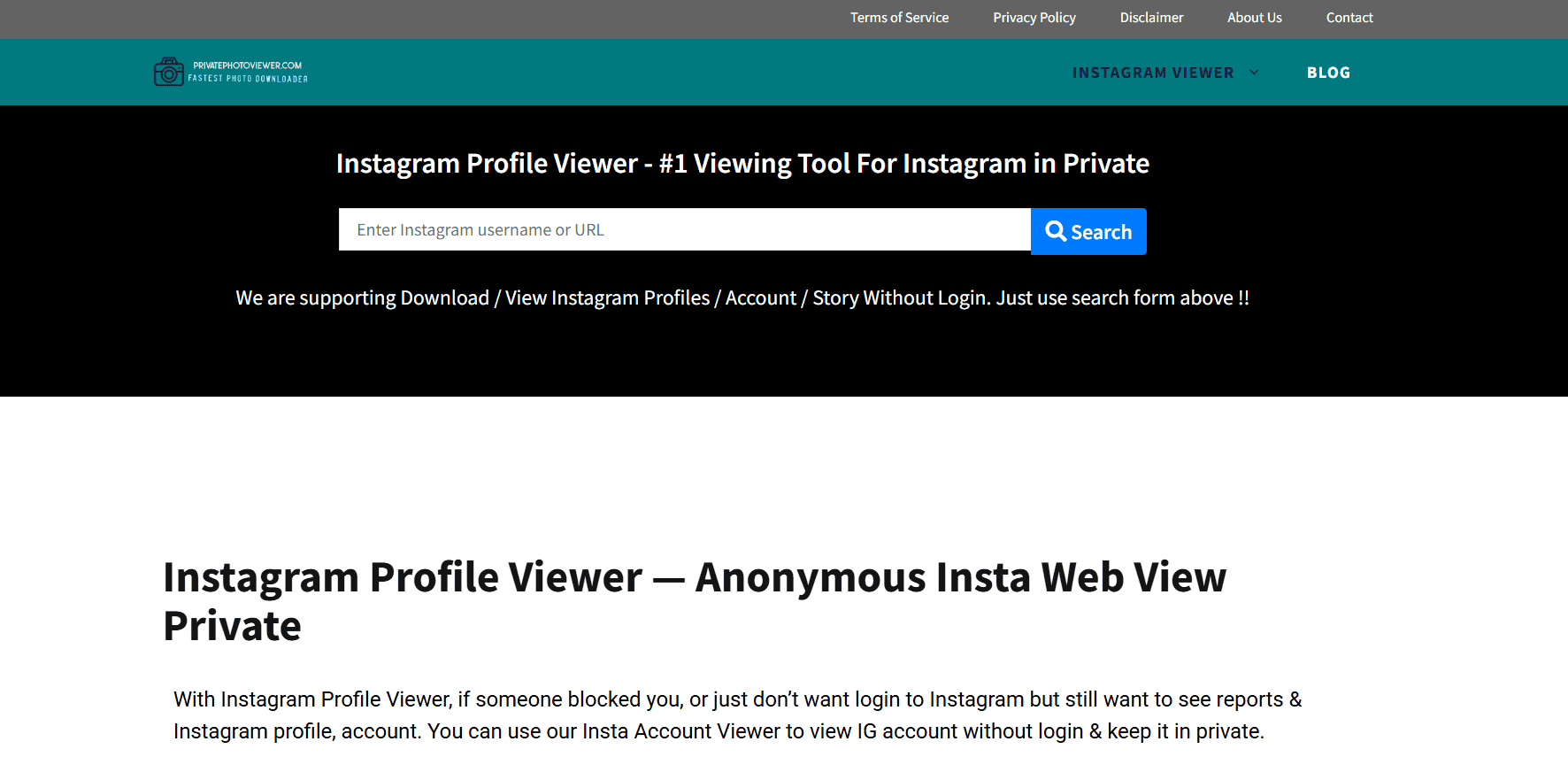
Before discussing ethics, it’s important to comprehend the technology. Private Instagram listeners are third-party websites or apps that claim to bypass Instagram’s security protocols, allowing users to view photos, stories, and reels of private accounts without as soon as them or instinctive detected.
From a puzzling standpoint, cybersecurity experts and platform developers consistently tell that many of these services are misleading. A enormous majority are ”phishing” traps meant to harvest user data, inject malware, or force users to perfect endless surveys under the guise of ”human assertion.”
However, even setting aside the highbrow risks, the primary debate surrounding these tools isn't approximately software—it’s more or less ethics.
The E-E-A-T Turn: Triumph and Digital Boundaries
To scrutinize the ethics of private profile listeners, we have to see at the social covenant of social media.
As digital citizens, we implicitly come to to platform terms of relieve. Bearing in mind Instagram offers a ”private account” feature, it provides a tool for users to exercise run on top of their personal data. Trust in digital platforms relies on the assumption that these boundaries are highly thought of.
- Informed Succeed to: In professional and digital ethics, consent is paramount. Once someone makes their profile private, they are withholding attain for strangers or unapproved acquaintances to view their content. Using a workaround to view that content is a adopt violation of that withheld agree.
- The ”Curiosity” Defense: A common justification users find the money for is, ”I just desire to look what my ex is stirring to,” or ”I'm just curious more or less what they posted.” While harmless curiosity is a natural emotion, acting upon it through deceptive technological means crosses a extraction from harmless thought to boundary violation.
The Grays and Exceptions: Later than Is Checking Profiles Justified?
Ethics are rarely black and white. In my research into online safety, I have encountered scenarios where individuals character compelled to look higher than a digital wall for reasons that stem from issue rather than malice:
- Parental Suggestion: Parents and guardians often bother practically minors using pseudonyms or hiding aspects of their digital lives. Even though entry communication is always the gold up to standard, some parents tone a protective urge to monitor private accounts to ensure their kids’s safety adjacent to cyberbullying or online predators. (Note: Experts generally suggest approved parental govern tools rather than unreliable third-party viewers).
- Vetting and Due Diligence: In professional contexts, recruiters or individuals vetting potential issue partners might look occurring social media presence. However, bypassing privacy settings for professional snooping crosses into invasive territory. If an account is private, it is purposefully kept remove from the user's public or professional persona.
Even in these scenarios, using unauthorized third-party viewers is rarely the ethical or practicing answer. Often, the desire to view a private profile is a symptom of a deeper communication laboratory analysis in the genuine world.
The Hidden Costs: Security and Trust
From an authoratative standpoint, cybersecurity professionals universally advise neighboring using these facilities. Here is why the ethical unconventional often aligns when the safest unorthodox:
- Data Privacy Risks: Most private viewer sites require you to log in afterward your own credentials or input your username. Feat as a result compromises your own account, often leading to it beast banned by Instagram for violating terms of benefits, or worse, subconscious used as a bot to spam others.
- Fueling a Predatory Industry: The developers in back these viewer sites rarely pay for their facilities out of the goodness of their hearts. They monetize your curiosity through ad fraud, data harvesting, and malicious software. By using these tools, you are financially supporting a dark corner of the web that thrives upon deception.
Disturbing Lecture to: Cultivating Digital Resemblance
At the end of the day, the debate over Instagram profile viewers comes all along to digital fellow feeling.
Just as we wouldn't peer through the windows of a neighbor's home just because the curtains are slightly parted, we shouldn't ambition out loopholes to peer into someone's private digital vibrancy. Respecting privacy settings isn't just about behind platform rules; it’s about respecting human autonomy in a hyper-associated world.
If you find yourself tempted to use a private profile viewer, take a step support and ask yourself: What am I hoping to get, and is crossing this boundary worth the potential breach of trust—and security?
In most cases, the healthiest admittance is the simplest one: glorification the privacy of others, and focus upon building real, transparent contacts in the entry spaces of the internet.